
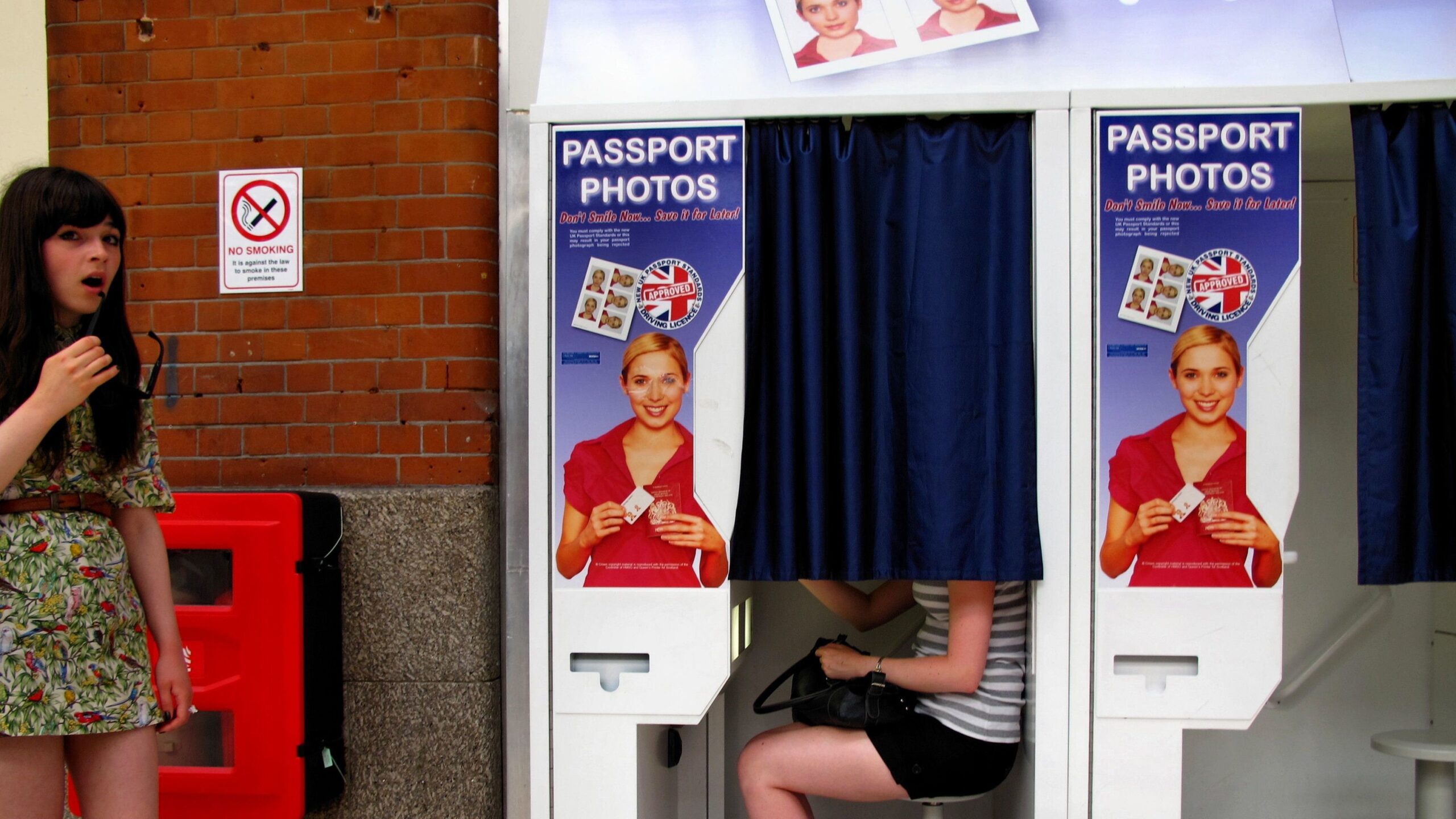
Getting a good ID photo might seem like a small task, but trust me—it can turn into a bit of a hassle if you don’t pick the right place. These days, you’ve got two main options: heading to a local photo studio or snapping and submitting your photo online. Both have their pros and cons, and depending on what you need, one might fit better than the other. Let’s break this down step by step so you can decide where you should get your ID photo, whether it’s for your passport, driver’s license, or even a professional badge.
Why ID Photos Matter More Than You Think
Before we jump into comparing online and local photo studios, it’s worth taking a moment to understand just how important your ID photo really is. At first glance, it might seem like just a small snapshot, but in reality, this tiny image carries a huge weight. Your ID photo represents you in official documents, serving as your visual identity in a way that’s legally recognized. Because of this, it needs to be precise, clear, and compliant with strict standards to avoid any hiccups. If your photo doesn’t meet these requirements, it can cause unexpected delays or complications that could seriously disrupt your plans.
Think about it this way: your ID photo is the face that officials, border control agents, or security personnel rely on to verify who you are. It’s not just about looking good; it’s about being recognizable and unmistakable. That means every detail counts — from the lighting and background to the exact size and expression on your face. If something’s off, like a shadow hiding part of your face or an improper background, your application might get flagged for review or outright rejected. The frustration of having to retake your photo or resubmit paperwork can quickly add stress to what should be a straightforward process.
Moreover, the importance of your ID photo goes beyond bureaucracy. It’s often the first impression someone gets of you in professional or legal contexts. Whether you’re applying for a passport, driver’s license, visa, or a job ID badge, that photo needs to convey clarity and professionalism. A poorly taken photo can unintentionally raise doubts about the authenticity of your identity or even delay important travel or work plans. Essentially, your ID photo acts as a visual passport into many areas of your life, so ensuring it’s done right is crucial.
Lastly, many people underestimate how tricky it can be to get a perfect ID photo on the first try. There are numerous rules and guidelines to follow, and not all of them are obvious until you’re already in front of a camera or submitting your picture online. This is why choosing the right method for your ID photo—whether online or at a local studio—can make a big difference in the outcome. Understanding the significance of this tiny but powerful image will help you approach the process with the care and attention it deserves, saving you time, money, and headaches down the road.
What Makes a Great ID Photo?
- The image must be perfectly clear and sharply focused, without any blur or fuzziness that obscures facial features. Every detail of your face should be visible so that identification is easy and reliable.
- Lighting should be even and well-balanced, illuminating your entire face without causing shadows, glare, or reflections. Avoid harsh light sources that create bright spots or deep shadows on your skin or background.
- The background needs to be a solid, neutral color—usually plain white or light gray—to ensure your face stands out clearly. Avoid patterns, textures, or colors that could distract or interfere with the photo’s clarity.
- Your expression should be neutral and natural, with no smiling, frowning, or other exaggerated emotions. A relaxed face with closed mouth and eyes looking directly at the camera is required to maintain consistency across all official ID photos.
- Your entire face must be fully visible, unobstructed by any accessories like hats, scarves, or sunglasses. Hair should be pulled back or tucked behind your ears so it does not cover any facial features.
- If you wear glasses, make sure they are free of glare or reflections. Some agencies require glasses to be removed entirely for the photo to avoid hiding your eyes or creating light distortions.
- The photo must follow strict size and dimension guidelines set by the issuing authority, including exact pixel resolution and physical print size (e.g., 2×2 inches or 35×45 mm). Your face should be centered and take up a specific portion of the frame.
- Cropping should be precise, showing your full head from the top of your hair to the bottom of your chin, with enough space around the face to meet framing requirements.
- The photo must be taken from a straight-on angle, with your head and shoulders facing the camera directly. No tilting, turning, or angling of the head is allowed.
- Avoid any shadows or objects in the background or foreground that could interfere with your face or confuse automated ID verification systems.
- The color balance and contrast must be natural—no overexposure, underexposure, or heavy editing that alters your skin tone or facial features.
- Make sure the photo is recent, typically taken within the last six months, so it accurately reflects your current appearance.
- Avoid wearing uniforms or clothing that resembles official attire, as some authorities require neutral, everyday clothes to avoid confusion.
Local Photo Studios: The Traditional Route
| Aspect | Description | Advantages | Disadvantages | Additional Notes |
| Professional Expertise | At a local photo studio, you interact with a trained photographer or technician who understands strict government photo guidelines. | Ensures your photo meets official requirements and standards. | Reliant on the skill and experience of the studio staff. | Personal touch similar to visiting a trusted service provider like a barista. |
| Lighting and Equipment | Studios use professional lighting setups and high-quality cameras that produce clear, well-lit photos with proper background and framing. | High-quality images with proper lighting, no shadows or glare. | May not always be perfectly available if the studio is busy. | Ensures consistent photo quality compared to DIY attempts. |
| Instant Feedback & Prints | Photographers provide immediate feedback on your photo and can retake it if necessary. Physical prints or digital copies are usually provided on-site. | Ability to correct mistakes immediately and leave with ready-to-use photos. | Requires you to be physically present, which takes time. | Ideal for people who want quick turnaround without technical hassle. |
| Cost and Convenience | Local studios often charge more than online services and require travel to the location, sometimes involving waiting periods. | Professional service with hands-on assistance and guaranteed results. | More expensive and less convenient due to travel, wait times, and limited opening hours. | Not ideal for those with tight schedules or mobility challenges. |
| Operating Hours & Accessibility | Studios typically operate during regular business hours and may be located in commercial areas that aren’t always easy to reach for everyone. | Allows face-to-face service during predictable hours. | Limited hours of operation and potential difficulty accessing the location. | May require appointments or queue time, which can add to the overall time spent. |
Online Photo Services: The Modern Solution
Online photo services have revolutionized the way people get their ID photos. Instead of visiting a physical studio, you can simply use your smartphone or digital camera to take a picture at home or anywhere you prefer. Once you’ve captured the image, you upload it to the service’s website or app, where advanced software adjusts the photo to meet exact official specifications. These services often include background removal, cropping, and resizing to ensure your photo complies with government standards. Many providers also offer options for instant digital delivery or, if you prefer, printed photos sent directly to your home by mail. This process puts the power of a photo lab right in your pocket, making it incredibly accessible and flexible.
One of the biggest advantages of online photo services is the sheer convenience they offer. You’re no longer restricted by studio hours or location—you can take your photo whenever you want, whether it’s late at night or on a weekend. This flexibility fits perfectly into busy lifestyles where time is precious. Additionally, online services usually cost less than traditional studios since there are no physical overheads involved. The instant digital delivery means you can receive your formatted ID photo within minutes, ready to upload to official applications or print yourself. If you’re not satisfied with your first attempt, you can retake the photo as many times as you like without extra cost or inconvenience.
However, this convenience also comes with certain challenges. Without a professional photographer guiding you, it’s easy to make mistakes that lead to your photo being rejected. Proper lighting, background, framing, and facial expression are all your responsibility, and if you’re unfamiliar with the official requirements, it’s easy to miss something important. Smartphone camera quality varies widely, so some photos may not be sharp or well-lit enough for official use. On top of that, these services rely heavily on a stable internet connection for uploading your photo and receiving the finished product. In areas with poor connectivity, this can cause delays or frustration.
Despite these potential drawbacks, online photo services continue to grow in popularity because they balance cost, convenience, and speed in ways traditional studios often cannot. For many, the ability to control the process themselves, take multiple shots until satisfied, and avoid travel or waiting lines outweighs the risks. With improving technology, many online platforms now include AI-powered tools that check photo compliance automatically and provide tips to help you get it right. This evolving digital approach offers a modern, user-friendly alternative to traditional studios—especially suited for tech-savvy users or those who need their ID photos on their own schedule.
Comparing Costs: Online vs Local Photo Studios
- Local photo studios typically charge between $15 and $40 per photo. This higher price reflects the use of professional cameras, studio lighting, and the expertise of trained photographers who ensure your photo meets official standards.
- Online photo services generally offer a more affordable option, with prices ranging from $5 to $15 per photo. The lower cost comes from the lack of physical storefronts and staff, relying instead on digital tools and automated processing.
- Convenience is a significant factor: local studios require you to physically travel to their location, which can take time and may involve waiting in line. This means the convenience level is moderate and dependent on your proximity and schedule.
- Online services allow you to take your photo anywhere and anytime, providing a high level of convenience. You don’t need to leave your home or wait for business hours, making this option ideal for busy individuals or those with mobility limitations.
- Turnaround time at local studios is often very fast. You can usually get your printed photos within minutes or a few hours after the session, which is beneficial if you need physical copies immediately.
- Online services provide instant digital delivery after you upload your photo, often within minutes. However, if you want printed copies mailed to you, it can take several days depending on shipping options.
- Quality assurance in local studios is handled by professionals who check that your photo meets all official requirements before you leave. This reduces the risk of rejection or needing to retake your photo.
- Online services depend largely on you to take a suitable photo. While many platforms use AI technology to analyze and provide feedback on your image, the quality can vary based on your camera equipment and your ability to follow guidelines.
- Local studios offer immediate physical prints, so you can leave with ready-to-use photos in hand. This is convenient for applications that require hard copies or where digital submissions are not accepted.
- Online services primarily deliver digital files instantly, which can be printed at home or through third-party services. Some offer mailing services for printed photos, but this adds extra wait time and sometimes additional cost.
Quality Showdown: Who Wins?
| Aspect | Local Photo Studio | Online Photo Services | Advantages (Local Studio) | Advantages (Online Services) |
| Photo Quality | Uses professional-grade cameras and controlled lighting setups. | Relies on user’s device quality and environment. | Consistently high image clarity and proper lighting. | Improving image processing with AI-enhanced corrections. |
| Expertise | Skilled photographers guide posing, lighting, and expressions. | Automated tools provide feedback and cropping suggestions. | On-the-spot adjustments ensure compliance with guidelines. | Convenience of instant, self-managed photo capture. |
| Photo Editing | Manual cropping, sizing, and retouching by professionals. | Automated cropping and background adjustments via software. | Precise manual edits tailored to official standards. | Fast automatic editing and formatting without delay. |
| Risk of Rejection | Very low due to professional oversight and compliance checks. | Higher risk if lighting, background, or pose are incorrect. | Minimizes need for retakes or resubmissions. | Ability to retake multiple photos easily to improve results. |
| Convenience | Requires visiting the studio during business hours. | Accessible anytime and anywhere with internet access. | Immediate print availability and personal service. | Flexibility of taking photos on your own schedule. |
Time Factor: When Speed Matters
When you find yourself in a rush to renew important documents like a passport or driver’s license, the speed at which you can get your ID photo taken and processed suddenly becomes a top priority. Time can be critical, especially if your current ID is about to expire or you need to travel on short notice. In these situations, the traditional route of visiting a local photo studio might feel like an extra hurdle. Depending on the studio’s availability, you may need to schedule an appointment or wait your turn, which could add unexpected delays to an already tight timeline.
Local studios, while offering professional services, operate within fixed hours and often experience busy periods that limit how quickly they can accommodate walk-in customers. Even after your photo is taken, if prints or additional processing are required, it might take additional time before you have the physical photo in hand. For some people, this wait can be frustrating, especially when every day counts. Planning ahead is necessary if you want to rely on a local studio to meet a strict deadline.
On the other hand, online photo services excel in speed and flexibility. You can snap a photo at any hour from the comfort of your home or any convenient location. Uploading the image and receiving a finished, formatted photo often happens within minutes, allowing you to immediately use it for digital applications or print it yourself. This instant turnaround is a game changer for anyone facing a time crunch, removing the need for travel, waiting, or coordinating schedules.
Of course, using online services requires that you feel comfortable with your phone or camera and can take a compliant photo without professional help. But if you’re confident in your ability to follow guidelines, the time savings are significant. Online photo services offer a practical and efficient solution when speed is essential, making them the preferred choice for many people who want to avoid the delays associated with traditional studios.